

Start Your Course Today and Take the First Step Toward Success. Acquire New Skills, Enhance Your Knowledge, and Forge a Better Future with Expert Guidance.
Traffic Science
Traffic Science Course Overview
A Traffic Science course is designed to provide a deep understanding of how traffic systems operate, how road networks function, and how transportation can be made safer, faster, and more efficient. This course focuses on the scientific principles behind traffic movement, traffic behavior, road design, and the management of vehicles and pedestrians in real-world environments. It is an essential subject for learners who want to understand the logic behind traffic rules, accident prevention, and modern transportation planning.
Traffic is not simply about cars moving from one place to another. It is a complex system influenced by human behavior, road conditions, vehicle performance, weather, and city infrastructure. A Traffic Science course helps students study these factors in detail and understand how they connect. The course also teaches how traffic congestion forms, how it can be controlled, and why proper traffic management is important for public safety and economic development.
This course is useful for a wide range of individuals, including students interested in transportation planning, road safety, civil engineering, and public policy. It is also valuable for professional drivers, traffic officers, and anyone who wants to improve their knowledge of traffic systems and develop a stronger awareness of road safety principles.
Importance of Studying Traffic Science
Traffic science plays a major role in improving road safety and reducing the number of accidents worldwide. Understanding traffic systems helps individuals and communities develop better strategies for preventing collisions, reducing congestion, and ensuring smoother transportation.
Improving Road Safety and Reducing Accidents
One of the main goals of traffic science is to study why accidents happen and how they can be prevented. A Traffic Science course teaches students about common accident causes such as speeding, distracted driving, poor road conditions, and improper lane discipline. It also covers the role of traffic signals, road signs, and lane markings in maintaining order on the road.
Students learn how small mistakes can lead to serious accidents and how proper traffic control can save lives. By studying traffic patterns and driver behavior, learners understand how safer road environments can be created through education, enforcement, and better infrastructure.
Supporting Modern Urban Development
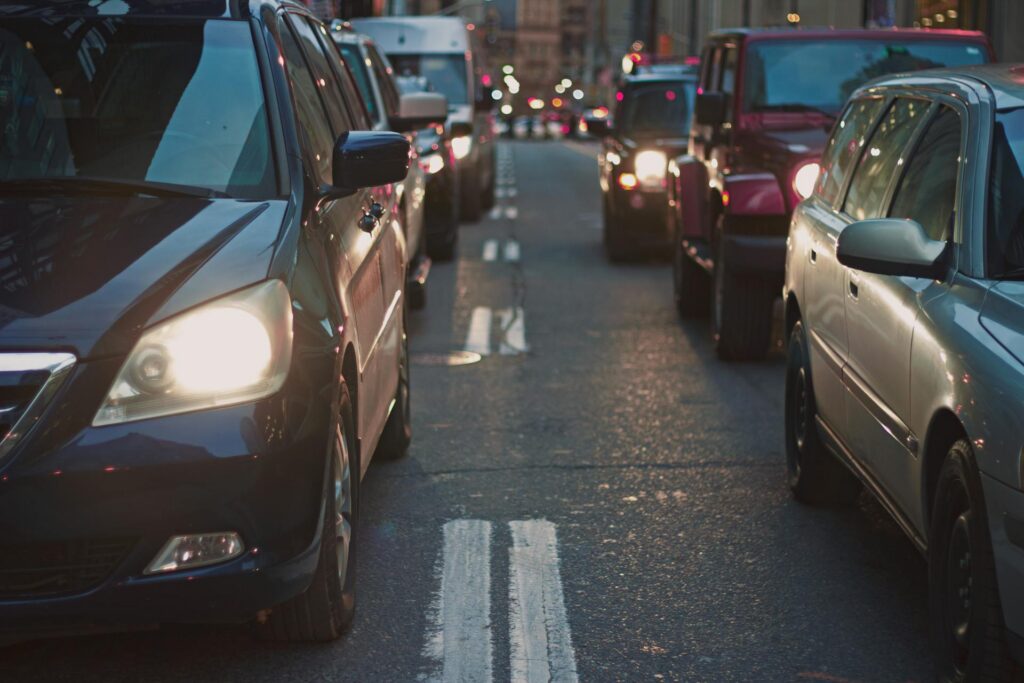
Cities continue to grow rapidly, and traffic congestion has become a major challenge in many regions. Traffic science helps in planning roads, highways, and public transportation systems to meet the needs of increasing populations. This course explains how traffic flow is connected to economic growth, emergency services, and daily commuting efficiency.
Students gain insight into why traffic jams happen, how road capacity is calculated, and what solutions can reduce congestion. This knowledge is essential for building smarter and more sustainable transportation systems.
- Introduction to Traffic Rules
- Traffic Signs & Symbols
- Road Markings & Lane Rules
- Traffic Signals System
- Right of Way Rules
- Speed Limits & Safe Driving Distance
- Pedestrian Safety Rules
- Accident Causes & Prevention
- Traffic Violations & Penalties
- Road Safety & Defensive Driving
Key Topics Covered in Traffic Science
A Traffic Science course includes several important topics that help learners understand the full structure of traffic systems. The course covers both theoretical and practical concepts, allowing students to develop a complete understanding of road networks and traffic behavior.
Traffic Flow and Road Capacity
Traffic flow refers to how vehicles move on a road over time. Students learn about traffic density, traffic volume, and speed variations. The course explains how road capacity is measured and how different road designs can handle different levels of traffic.
Learners study how traffic flow changes during peak hours and why certain roads experience congestion more than others. They also explore how road expansions, additional lanes, and proper traffic signal planning can improve traffic flow.
Driver Behavior and Human Factors
Traffic science strongly focuses on human behavior because drivers play a major role in road safety. The course teaches how reaction time, decision-making, stress, fatigue, and emotions influence driving performance. It also covers how driver habits differ depending on age, experience, and road environment.
Understanding human factors helps explain why many accidents occur even when roads are well-designed. Students learn that traffic safety is not only about infrastructure but also about awareness, discipline, and responsible driving habits.
Traffic Signals and Control Systems
Traffic signals are one of the most important tools used to control vehicle and pedestrian movement. A Traffic Science course explains how signals are designed, how timing is calculated, and why different signal patterns are used at different intersections.
Students learn about coordinated signal systems, pedestrian crossing signals, and the use of smart technology in modern traffic management. The course may also include topics such as roundabouts, stop-controlled intersections, and priority-based road designs.
Road Design and Infrastructure Planning
Road design is a critical part of traffic science because road structure directly affects safety and efficiency. Students learn how road geometry, lane width, curves, and slopes influence vehicle movement.
Highway Design and Intersection Planning
Highways require advanced planning because vehicles move at higher speeds, increasing the risk of severe accidents. The course teaches how highways are designed to ensure smooth merging, safe overtaking, and proper exit management.
Intersection planning is also a major topic. Students study different intersection types such as T-junctions, four-way intersections, and roundabouts. They learn how intersection design can reduce conflict points and improve traffic flow.
Pedestrian Safety and Public Road Use
A modern traffic system must consider pedestrians, cyclists, and public transport users. A Traffic Science course covers the importance of pedestrian crossings, sidewalks, bicycle lanes, and traffic calming measures. Students learn how road systems can be designed to protect pedestrians, especially in busy urban areas.
The course also explains why pedestrian accidents happen and what infrastructure improvements can reduce these risks. This includes better street lighting, speed bumps, zebra crossings, and pedestrian bridges.
Traffic Law, Enforcement, and Safety Regulations
Traffic science is closely linked to traffic law because regulations are necessary to maintain discipline and order on the road. This course helps students understand why traffic laws exist and how enforcement improves safety.
Understanding Traffic Rules and Compliance
Students learn about speed limits, lane discipline, right-of-way rules, and the importance of road signs. The course explains how traffic laws are created based on safety studies and accident research.
Learners also explore how violations such as reckless driving, speeding, and running red lights contribute to accidents. This knowledge helps develop respect for traffic regulations and encourages responsible behavior.
Role of Enforcement in Traffic Management
Traffic enforcement plays a key role in reducing accidents and maintaining road discipline. The course explains how traffic monitoring systems, checkpoints, and fines discourage dangerous driving behaviors.
Students may also learn about modern enforcement methods such as surveillance cameras, automated speed detection, and digital traffic management systems. These tools help authorities manage traffic more effectively and reduce law-breaking.
Accident Analysis and Traffic Safety Studies
Accident analysis is one of the most practical and important areas of traffic science. Students learn how accident data is collected, studied, and used to improve road safety.
Causes of Road Accidents
The course explores different causes of accidents including driver error, mechanical failure, poor road conditions, and environmental factors. Students learn how distractions such as mobile phone use and fatigue increase accident risk.
They also study how weather conditions like rain, fog, and poor visibility affect braking distance and vehicle control. This helps learners understand why defensive driving is essential.
Safety Measures and Prevention Strategies
Traffic science also teaches safety solutions such as improved road design, better signage, speed control systems, and public awareness campaigns. Students learn that accident prevention requires cooperation between drivers, authorities, and city planners.
This section of the course encourages learners to think critically about how small improvements can create major reductions in accident rates.
Modern Traffic Technology and Smart Transportation
Modern traffic systems are evolving rapidly due to technological advancements. A Traffic Science course introduces learners to smart transportation concepts and digital traffic management solutions.
Intelligent Transportation Systems
Intelligent transportation systems use technology to improve traffic efficiency and reduce congestion. Students learn about traffic sensors, smart cameras, automated signals, and digital road monitoring.
The course also covers how real-time traffic data helps authorities control congestion and respond quickly to accidents. Smart systems can guide drivers through alternative routes, reduce travel time, and improve overall safety.
Future Trends in Traffic Management
Traffic science includes future-focused learning such as electric vehicle integration, self-driving vehicle systems, and sustainable transport planning. Students explore how future cities may reduce traffic congestion through public transportation expansion and better urban planning.
These topics help learners understand the importance of innovation in creating safer and more efficient transportation networks.